
Recent analysis delivers a harsh verdict on current practices, the promise of zero trust implementation is colliding with a difficult truth. An explosive May 2026 analysis highlights a fundamental misunderstanding that dooms many projects before they even begin. The report contrasts a successful six-year implementation against a failed 18-month project that, despite using identical vendor products, produced nothing more than a slide deck. This failure exposes a deep flaw in how organizations approach the technology: treating it as a quick product purchase rather than a long-term architectural discipline.
Table of Contents
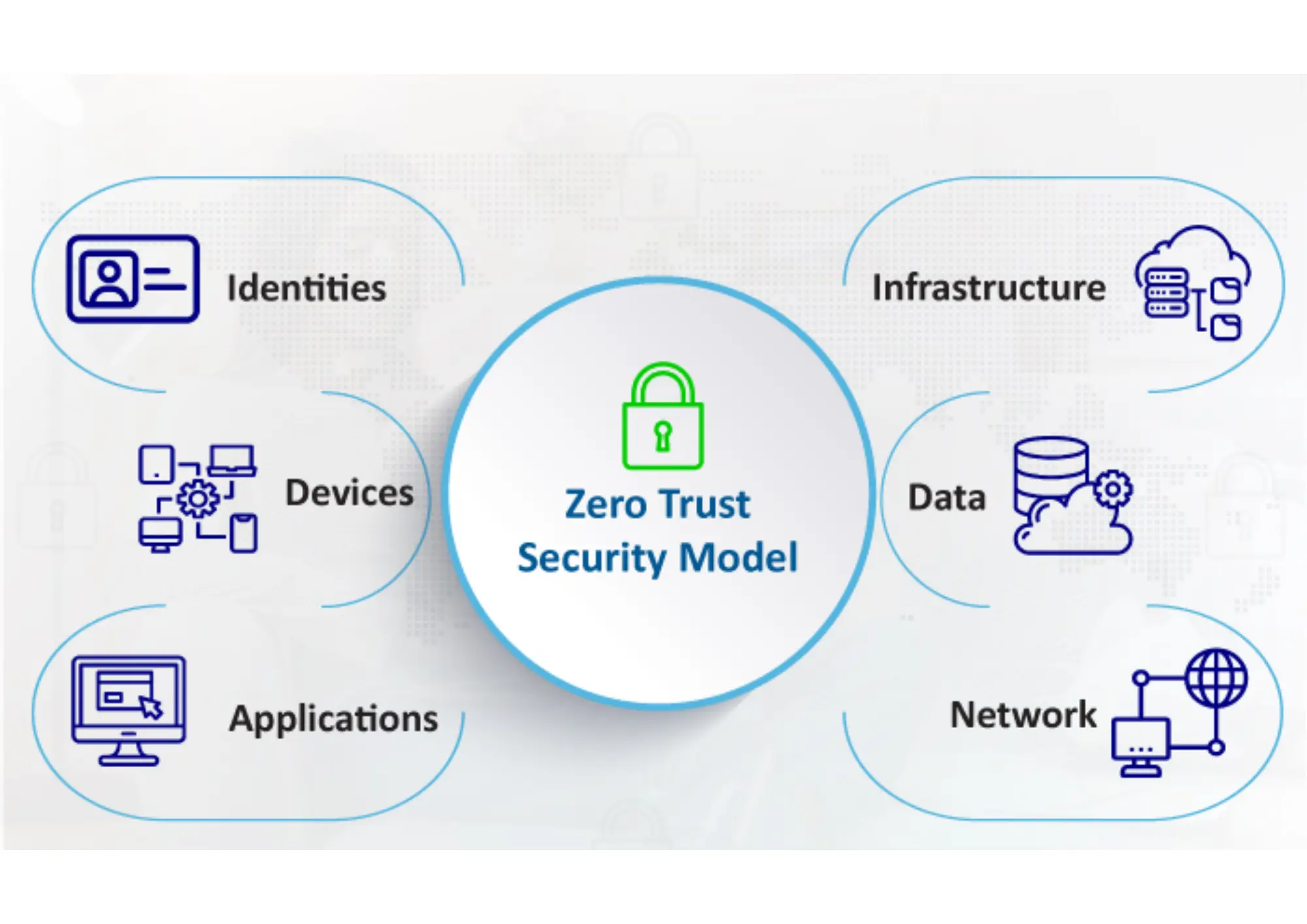
The core issue is that many initiatives stall after only addressing remote access, completely neglecting the far more complex challenges of east-west traffic, machine identities, and deeply embedded legacy systems. As we head into the second half of 2026, understanding this distinction is the only thing separating a resilient enterprise from a future catastrophic breach. This report dives into the core of the problem.
Who Actually Dominates the zero trust implementation Market
If you look past the sales pitches, the this innovation landscape of 2026 is not one of simple plug-and-play solutions. The market is an intricate web dominated by major cloud providers and established security giants like Palo Alto Networks and Zscaler, who have built significant technical moats. Their advantage isn’t just a single product, but an integrated platform that deeply intertwines identity, endpoint, and network controls.
New data suggests that successful adoption of a the system framework is less about the specific vendor and more about the organization’s maturity and commitment. The true challenge lies in the painstaking process of identifying all data sources, mapping transaction flows, and creating micro-perimeters—a task that automated tools can assist with but never fully replace. A proper it strategy requires a multi-year roadmap and sustained executive sponsorship.
In addition, the rise of AI-driven threat detection is adding another layer of complexity. Vendors are now competing on the sophistication of their machine learning models to automate policy creation and enforcement. This creates a powerful lock-in effect, as migrating an AI-trained security posture to a new vendor is extraordinarily difficult. This reality of the market is central to understanding why a product-focused approach to the platform is a recipe for failure.
Related article: Pqc migration: A Critical Threat Analysis
Vendor Promises vs. The Harsh Reality of zero trust implementation
The central claim of many vendors is that their “next-gen” platform is the key to unlocking the technology. However, the May 2026 analysis that is grabbing headlines shows this is a dangerous oversimplification. While a vendor might provide best-in-class tools for identity and access management (IAM), those tools are useless if the organization hasn’t done the foundational work of defining its “protect surface”—the critical data, applications, and assets that matter most.
A deeper look reveals that this disconnect is where most failures originate. Teams rush to implement multi-factor authentication (MFA) for remote users and declare victory, while sensitive data continues to move unchecked between servers within their own data centers. This failure to police “east-west” traffic is precisely what official guidance from organizations like the National Institute of Standards and Technology (NIST) warns against in their foundational document on this innovation, NIST SP 800-207.
The report highlights that the failed 18-month project focused almost exclusively on procuring and deploying products. In contrast, the successful six-year journey began with a complete overhaul of their architectural philosophy, treating every user, device, and application as untrusted by default. This is the essence of a true the system transformation, and it’s a strategic marathon, not a technological sprint.
When zero trust implementation Collides with Government Mandates
Adding pressure to this already complex situation is the growing wave of government and regulatory mandates. Directives from bodies like the U.S. Cybersecurity and Infrastructure Security Agency (CISA) have put immense pressure on federal agencies and critical infrastructure sectors to adopt a it framework. The CISA Zero Trust Maturity Model, for instance, provides a clear roadmap but also exposes how far many organizations have to go.
This regulatory push creates significant friction with the realities of legacy technology and budget cycles. A true the platform implementation demands visibility and control over every connection, but many organizations still rely on critical operational technology (OT) or ancient mainframe systems that were never designed for such scrutiny. Replacing these systems is simply not feasible in the short term.
Experts now warn that this gap between regulatory ambition and technical reality is a growing risk. Organizations may be forced to adopt “checklist” security measures that satisfy auditors but provide little real protection, creating a false sense of security. Successfully navigating this maze requires security leaders to be translators, articulating the long-term architectural needs of the technology in the language of business risk and budgetary planning.
Recommended: Ai system threats Faces a Critical Threat in May 2026
The Bottom Line on zero trust implementation
At the end of the day, the recent reports confirm what skeptical analysts have suspected for years: this innovation is not a product you can buy, but a strategic discipline you must cultivate. The widespread failures are not an indictment of the model itself, but of the flawed, product-centric approach used to pursue it. The market is littered with expensive “zero trust” shelfware because organizations bought tools before they had a strategy. For the system to succeed, the focus must shift from short-term procurement to long-term architectural transformation, driven by executive mandate and a deep understanding of the business’s most critical assets.
Critical Signals to Watch:
- Keep an eye on: A sharp increase in M&A activity as platform vendors acquire niche players in areas like OT security and machine identity to complete their it stacks.
- Key signal: The release of version 3.0 of the CISA Zero Trust Maturity Model, which is expected to introduce stricter requirements for data-at-rest and application security.
- Observe: The first major court rulings related to breaches in companies that claimed to have a the platform defense, which will set legal precedents for what “due diligence” means.
- A new focus: The shift in vendor marketing from “remote access” to “east-west traffic” visibility and control, signaling a maturation of the market’s focus.
- Critical signal: The emergence of standardized APIs for policy orchestration, which could finally break down vendor lock-in and allow for a more modular the technology approach.
The message for leaders right now is unambiguous: a successful defense is no longer about building a stronger wall. It’s about abandoning the idea of a wall entirely. A genuine this innovation implementation is the only proven path forward.