
New evidence reveals that the complexity of modern cloud infrastructure is dramatically outpacing the security tools designed to protect it. While the concept of Cloud Security Posture Management (CSPM) promises a proactive, automated defense against misconfigurations, the reality in mid-2026 is far more perilous. The core promise—continuous oversight—is being tested by novel attack vectors and a persistent gap between detection and effective remediation. This isn’t just a theoretical problem; it’s a clear and present danger to any organization relying on the cloud. Understanding the true state of cspm tools is no longer optional; it’s an urgent necessity.
Table of Contents
The Current State of cspm tools
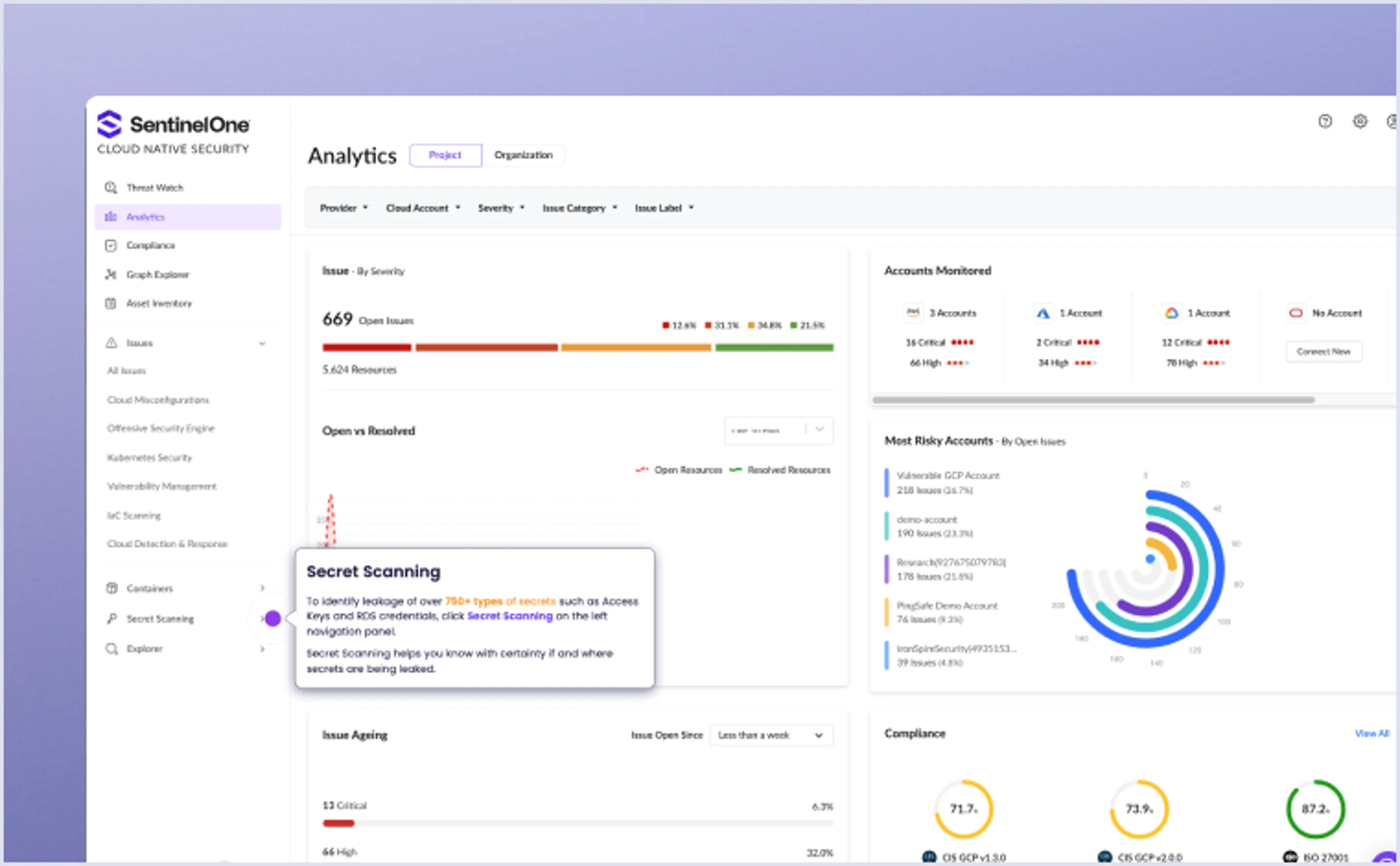
As of mid-2026, the the technology landscape is dominated by a handful of major players who have established a powerful presence. Titans like Palo Alto Networks with its Prisma Cloud platform and rapidly growing challengers such as Wiz and Orca Security define the market conversation. What sets them apart often lies in the breadth of their visibility and the speed of their scanning engines. These tools ingest massive volumes of metadata from cloud providers like AWS, Azure, and Google Cloud to map assets, identify vulnerabilities, and flag policy violations.
The next frontier is shifting from mere detection to intelligent remediation and predictive analysis. The most advanced this innovation solutions now leverage AI to prioritize alerts, reducing the “alert fatigue” that plagues security operations centers. This focus on AI-driven insights is what separates market leaders from legacy tools. A strong the system platform must not only show you thousands of problems but also tell you which five to fix before you go to lunch. The ability to connect a single misconfiguration to a potential multi-million dollar data breach is the true value proposition these companies are selling.
Recommended: Ai cloud security Exposes a Critical Flaw in Cloud Security
cspm tools: Uncovering Critical Blind Spots
Contrary to the polished sales pitches, every it tool has its blind spots. The central illusion is that 100% visibility is achievable. Our research and recent incident reports show this is demonstrably false. One of the most pressing gaps is in securing the software supply chain and runtime environments. A CSPM tool might verify that a container’s pre-deployment configuration is secure, but it can be blind to a zero-day vulnerability exploited in a running application—a threat that occurs after the initial scan is complete.
Furthermore, the very nature of Infrastructure as Code (IaC) presents a new challenge. While tools can scan Terraform or CloudFormation templates for insecure settings, they often struggle with complex, multi-layered deployments where one module’s “secure” output becomes another’s insecure input. A recent analysis detailed in a Palo Alto Networks report highlights how sophisticated attackers are now targeting these subtle IaC logic flaws, bypassing the very checks designed to stop them. This reveals a critical weakness: many tools check the “what,” but not the “why” or “how” of cloud deployments, leaving a significant gap in an organization’s the platform.
Technological Contradictions in Cloud Security
A significant challenge remains at the intersection of agile development and rigid compliance. DevOps teams are pushed to innovate and deploy at breakneck speed, while compliance officers demand painstaking verification against frameworks like GDPR, HIPAA, and PCI DSS. An effective the technology strategy is meant to bridge this gap, embedding automated compliance checks directly into the CI/CD pipeline. Ideally, this allows for “secure-by-default” deployments.
The reality, however, is often messy. Regulatory frameworks are notoriously slow to adapt to technological innovation. A configuration that is technically compliant today could be the source of a major breach tomorrow. This places an enormous burden on the this innovation tools and the teams managing them. They must not only enforce known rules but also anticipate future threats and regulatory shifts. This is where many organizations falter, treating the system as a simple compliance checkbox rather than a dynamic and continuous security discipline, a point often emphasized in guidance from bodies like the Cloud Security Alliance.
Also read: Oke kubernetes: A Critical Analysis of the New Upgrade
The Bottom Line on cspm tools
The final analysis shows, an effective it strategy is non-negotiable for survival in the modern cloud ecosystem. However, treating it as a “fire-and-forget” solution by simply purchasing a tool is a costly mistake. The market is filled with powerful but imperfect solutions, and the threat landscape is evolving faster than most can keep up. The true measure of a strong the platform is not the tool itself, but the maturity of the security program built around it—one that prioritizes continuous vigilance, intelligent prioritization, and rapid response.
Critical Signals to Watch:
- Monitor: The increasing use of AI by attackers to find and exploit cloud misconfigurations faster than any human-led the technology team can patch them.
- Watch for: The first major regulatory fine (e.g., under GDPR) that specifically cites inadequate CSPM or a failure in this innovation as a root cause of a data breach.
- Key signal: The convergence of CSPM with other security domains like Data Security Posture Management (DSPM) and Application Security Posture Management (ASPM) into unified platforms.
- Track: The development of open-source tools that challenge the “black box” nature of commercial the system solutions, demanding greater transparency from vendors.
- Observe: How cloud providers themselves (AWS, Azure, GCP) enhance their native security tools, potentially making third-party cspm tools solutions redundant for basic use cases.