
Recent headlines from the Humanoids Summit in Tokyo are painting a rosy picture: faced with demographic cliffs and persistent labor shortages, the world is turning to physical artificial intelligence for salvation. Industry leaders, including Brendan Schulman, VP of Policy at Boston Dynamics, suggest that an “unprecedented wave of investment” is being driven by these global workforce gaps. The narrative is powerful: physical AI is no longer a research project but an impending economic necessity.
Table of Contents
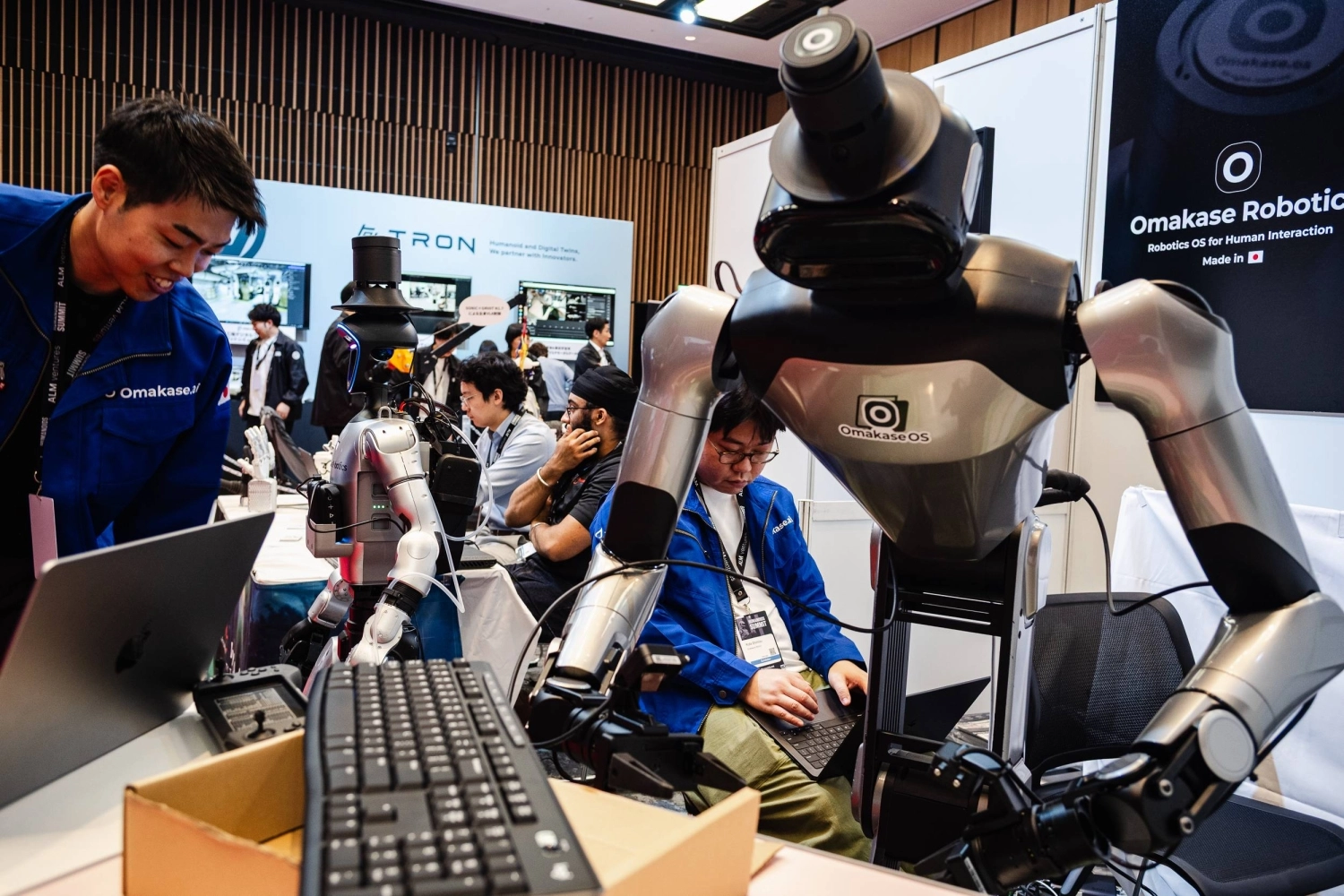
However, beneath the surface of this hype, a more complex and challenging reality is taking shape. While the promise of the technology is undeniable, the path from flashy tech demo to widespread, effective deployment is fraught with obstacles that the industry’s marketing materials tend to ignore.
Mapping the 2026 Robotics Landscape
As we analyze the industry, it’s clear that the field of this innovation is no longer monolithic. A few dominant players have emerged, each with a distinct technological moat. Boston Dynamics continues to set the benchmark for dynamic balancing and locomotion with its Atlas robot, showcasing truly remarkable agility. Their long-standing research provides a significant competitive advantage in hardware engineering.
In parallel, a newer entrant, Figure AI, has made significant progress by focusing on the intelligence layer. Their recent partnership with OpenAI to integrate advanced large language and vision models into their robots represents a major change in the field. This collaboration aims to solve the “generalization” problem, allowing a single robotic platform to perform a wide variety of tasks without being explicitly programmed for each one. This software-first approach puts them in clear contrast to hardware-focused legacy players.
Also in the running include Agility Robotics, whose Digit robot is already in pilot programs with major logistics companies, and Tesla, which continues to develop its Optimus bot. Even with these advancements, the core challenge for all remains the same: transitioning from controlled demos to chaotic, real-world environments at scale. The successful deployment of the system depends on this leap.
Related article: Critical infrastructure security: A Critical Risk to US Infrastructure
Scrutinizing the Labor Solution Claim
The main argument from industry advocates is that it are a direct answer to declining birth rates and labor gaps. While it’s a compelling story, our research reveals a significant disconnect between this vision and the current technical and financial reality. The assertion that these machines are ready to fill jobs at scale seems premature.
First and foremost, the unit economics are a major hurdle. Most advanced the platform platforms have an estimated cost well over $100,000, not including the costly integration, maintenance, and specialized software required to make them useful. For a business to see a return on investment, a robot must not only match but vastly surpass the productivity and flexibility of a human worker, a benchmark the technology has yet to consistently meet.
Additionally, the technical limitations remain daunting. While a robot might flawlessly execute a task in a lab, the real world is messy. Variations in lighting can still baffle today’s most advanced systems. Fine motor skills, particularly the dexterity required to handle a wide range of objects with human-like sensitivity, are a well-known bottleneck. Until the technology can adapt to unpredictability and manipulate objects with grace, their utility in dynamic environments like construction sites or bustling warehouses will remain limited.
The Unspoken Friction Points
Aside from the hardware and software, a web of regulatory and ethical friction points threatens to slow the adoption of this innovation. Experts are increasingly vocal that the societal and legal frameworks are lagging far behind the technology’s potential. A recent report from the Stanford Institute for Human-Centered AI (HAI) highlights the urgent need for clear policies on safety, liability, and data privacy for autonomous systems operating in public and private spaces.
One major unknown is: who is liable when a multi-hundred-pound the system makes a mistake? Is it the owner, the manufacturer, or the software developer? In the absence of established laws, businesses will be hesitant to assume the immense risk of deploying these machines in human-centric environments. This legal ambiguity is a powerful brake on commercialization.
We must also consider the role of public opinion as a crucial factor. High-profile failures or accidents could quickly erode trust and lead to calls for stringent regulation or outright bans. The industry’s focus on perfect, choreographed demos creates a brittle public image that could shatter with the first widely publicized malfunction. Managing public expectations and being transparent about the limitations of it is a challenge the sector has yet to fully embrace.
Recommended: Nist cybersecurity framework: A Critical Warning for 2026 Adopters
The Bottom Line on physical artificial intelligence
Ultimately, the narrative that the platform will seamlessly solve our global labor shortages in the immediate future is more marketing than reality. Although the engineering achievements are impressive, the industry is wrestling with fundamental economic, technical, and regulatory hurdles that are not easily solved. The investment is real, but the widespread impact is still years, if not a decade, away. The true story of the technology in 2026 is one of a brilliant technology caught between its potential and the messy, complex demands of the real world.
Critical Signals to Watch:
* Monitor: The first large-scale (1,000+ units) commercial deployment contract that extends beyond a pilot program.
* Keep an eye on: A breakthrough in battery technology or power efficiency that allows for a full 16-hour, two-shift operation without significant downtime.
* Another signpost is: The establishment of a clear legal and insurance framework for autonomous workplace accidents involving this innovation.
* Note: A shift in unit price, bringing the cost of a capable humanoid below the $50,000 threshold, which could dramatically change ROI calculations.
In the current climate, the development of physical artificial intelligence remains one of the most exciting frontiers in technology. But skeptical analysis, not hype, is what will provide the clearest view of when this revolution will truly arrive.