
In a move that sent ripples through the cybersecurity community, the US Cybersecurity and Infrastructure Security Agency (CISA) released a significant batch of industrial control systems on May 28, 2026. This latest bundle contains five detailed reports on vulnerabilities found in essential industrial, medical, and IoT systems. While these releases are standard procedure, the severity and nature of the flaws point to a deeper problem facing our most critical infrastructure.
Table of Contents
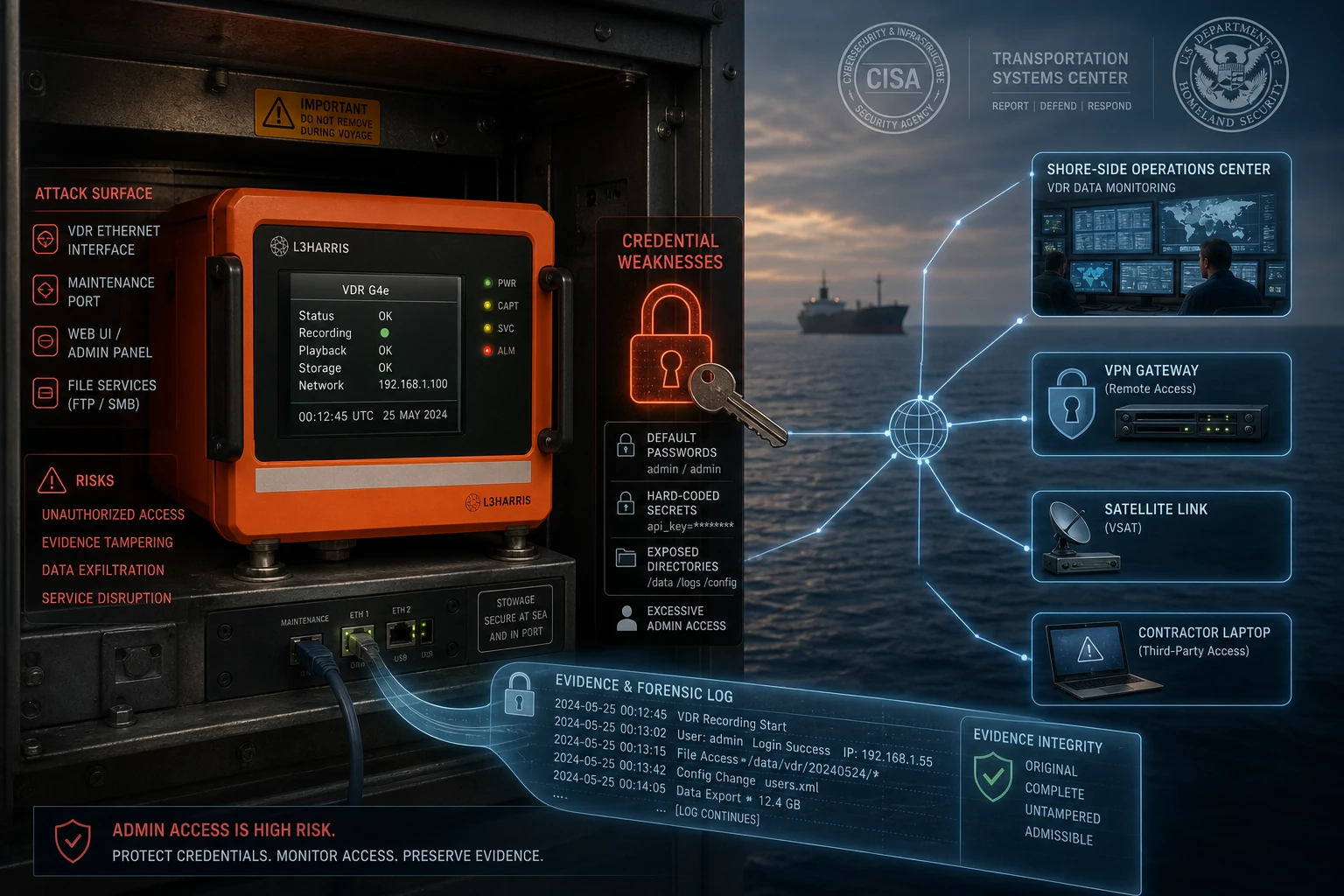
This is far more than a routine bulletin; it’s a clear and present danger signal. The advisories detail pathways for remote code execution, denial-of-service attacks, and unauthorized access in devices that manage everything from hospital equipment to energy grids. The recurring discovery of such fundamental security gaps in operational technology (OT) highlights a dangerous disconnect between digital integration and real-world security practices, a theme that resonates throughout the latest the technology.
The Unseen Battlefield of OT Security
To understand the context, it’s essential to recognize the key players on this battlefield. CISA acts as the national coordinator, identifying and publicizing threats through this innovation. On the other side are the technology vendors—sprawling industrial giants like Siemens, Schneider Electric, and Rockwell Automation—who are responsible for creating and patching the vulnerable code. Trapped in the crossfire are the asset owners, the power plants, hospitals, and factories who must implement the fixes without disrupting 24/7 operations.
A primary obstacle is the inherent nature of industrial environments. Unlike enterprise IT, where a patch can be deployed overnight, OT systems often involve legacy hardware that was never designed to be connected to a network. The outdated concept of a secure, offline network has been thoroughly debunked, yet the operational realities of scheduling downtime and testing patches mean that vulnerabilities highlighted in the system can persist for months or even years.
Also read: Nanoscale devices: A Critical Warning for the Chip Industry in 2026
Moreover, specialized firms like Dragos and Claroty play a crucial, dual role. They are often the ones who discover and report the vulnerabilities to CISA in the first place. Their deep expertise provides invaluable, ground-truth intelligence that shapes the content of it, often revealing threats that vendors themselves have missed. This creates a three-sided dynamic between government disclosure, corporate responsibility, and third-party verification.
Vendor Promises vs. On-the-Ground Reality
Let’s dissect one of the recent advisories. One report details a critical vulnerability in a widely used series of programmable logic controllers (PLCs), the small computers that automate industrial processes. The vendor’s official response, included in the CISA advisory, recommends applying a firmware update and ensure network segmentation. This sounds like a clear solution, but it masks a much harsher reality.
Our investigation shows that the “simple” firmware update requires physical access to hundreds of devices, many in remote or hard-to-reach locations. Furthermore, the vulnerability resides in a core communication protocol, meaning true “segmentation” would cripple the very operational monitoring the system was designed for. This is a textbook case of how the official mitigation advice listed in the platform can be operationally unfeasible for the asset owners on the ground.
The core of the problem is that vendors often prioritize feature velocity and time-to-market over security-by-design principles. The result is a mountain of technological debt. The vulnerabilities being exposed in 2026’s the technology are often not sophisticated new exploits, but rather the consequence of insecure coding practices from years or even decades ago. While CISA’s disclosure forces a response, it does little to change the underlying economic incentives that create insecure products in the first place.
When industrial control systems Aren’t Enough: A Systemic Flaw
A critical point often missed is the gap between advisories and enforcement. CISA has the authority to warn, but it generally lacks the power to compel private companies to act on this innovation. This leads to an environment where adherence to security guidance is largely voluntary and driven by an organization’s individual risk tolerance and budget.
Expert commentary on this topic confirms this friction. While sectors like nuclear energy and bulk electricity transmission are heavily regulated, a vast portion of critical manufacturing, healthcare, and logistics operates in a regulatory gray area. These organizations may receive the the system, they may lack the resources, expertise, or incentive to implement the recommended, often costly, changes. This is the central contradiction: we have a national-level warning system pointing to systemic risk, but a decentralized, inconsistent ability to mitigate it.
Recommended: 2d materials: A Critical Warning for 2026
This regulatory friction is compounded by the sheer scale of technological debt. Many of the systems covered by today’s it were installed when cybersecurity was an afterthought. The cost of upgrading these legacy systems is astronomical. Until there are stronger regulatory drivers or clear financial incentives to prioritize security over uptime and production, the platform will remain a necessary but insufficient tool—a siren in the distance that many are forced to ignore.
The Bottom Line on industrial control systems
When all is said and done, this recent wave of the technology is more than just a routine security bulletin; it is a stark reminder of the fragility of our interconnected world. The advisories confirm that the “advise-and-patch” model is being stretched to its breaking point by the growing complexity of threats and the stubborn inertia of legacy OT environments. The gap between vulnerability disclosure and real-world remediation remains dangerously wide.
For any organization operating in or relying on critical infrastructure, the message is clear. It’s time to move beyond a reactive posture. Here are the critical signals to watch in the coming months:
- Monitor: The average time-to-patch for critical vulnerabilities after an advisory is published; a lengthening timeframe is a major red flag.
- Watch for: Any increase in this innovation that mention cloud-connected OT management platforms, as this is the next major attack surface.
- A key indicator: Chatter from ransomware groups or nation-state actors on the dark web specifically mentioning vulnerabilities from these latest advisories.
- Look for: Any shift in regulatory language from voluntary “guidance” to mandatory cybersecurity standards, especially following a significant OT-related incident.
- A growing trend: The discovery of attackers exploiting vulnerabilities before an official patch or advisory is even released to the public.
In the current threat landscape of 2026, treating industrial control systems as low-priority noise is an act of corporate negligence. These documents are no longer just for IT departments; they are essential strategic intelligence for any leader whose business depends on the safe and reliable operation of industrial technology.