Now that we’re deep into the year, the manufacturing world is alive with talk of humanoid robots on the assembly line. Initial reports from last year described a plan for BMW Group to deploy a system called hexagon aeon, developed by Hexagon, in its Leipzig plant. The goal was to use these advanced machines for physically demanding tasks, assisting human workers. This ambitious vision captured global attention, promising a new era of industrial automation.
Table of Contents
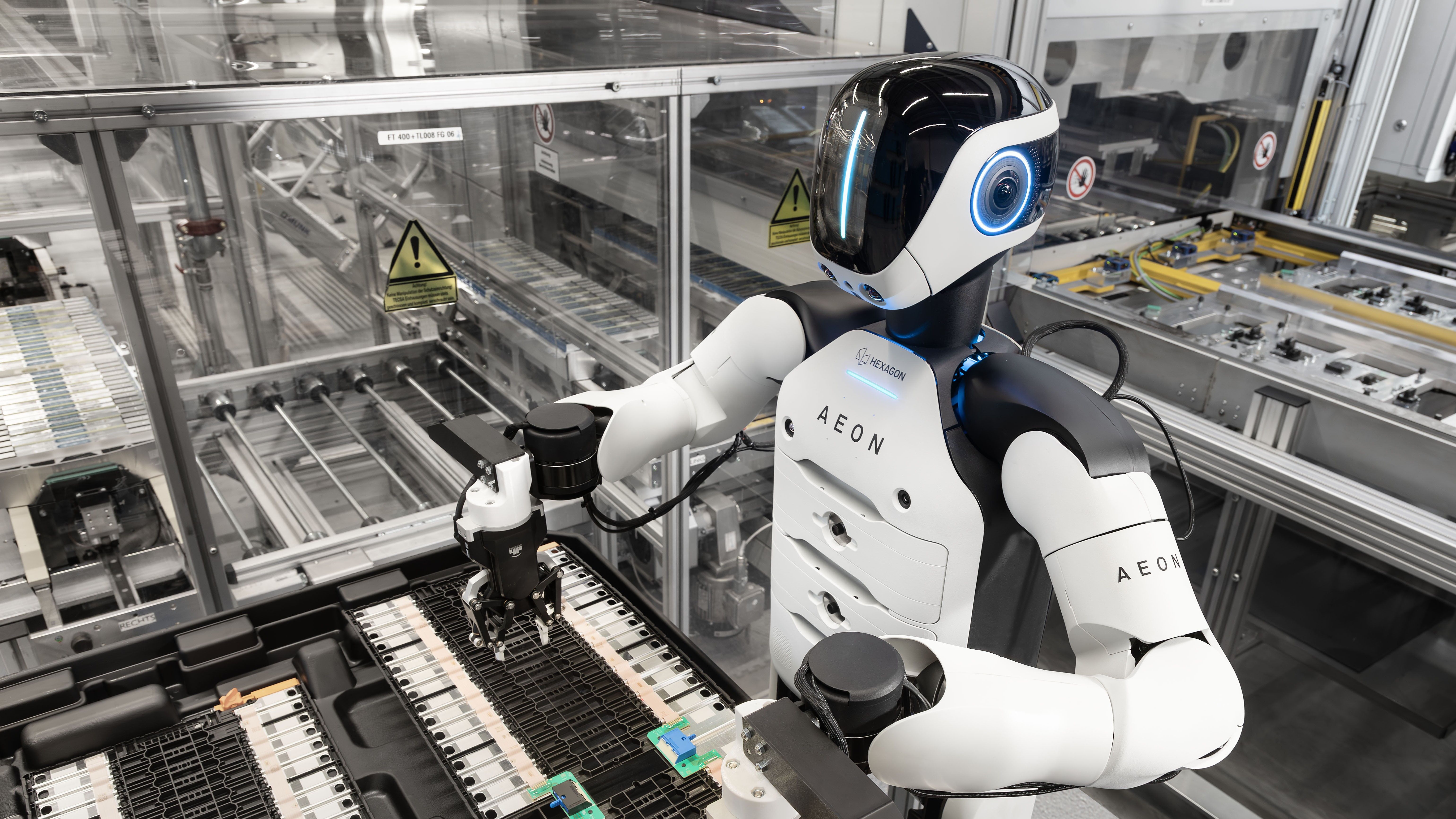
Scrutinizing the details reveals a confusing picture. Contrary to the hype, concrete evidence and recent announcements about the the technology project are notably scarce. The narrative has been eclipsed by other major players, raising significant questions about the status and even the existence of this specific program. This report dives into the discrepancies between the this innovation rumors and the verifiable reality of humanoid robotics right now.
You might also like: Pqc migration: The Urgent 2026 Transition Warning
Mapping the True Robotic Landscape
To understand the situation, one must look at the official, high-profile partnerships that have been publicly declared. The current landscape is defined by BMW’s collaboration with Figure AI, a robotics company developing general-purpose humanoid robots. This partnership, announced in early 2024, aims to identify use cases for Figure’s “Figure 01” robot in automotive production environments, starting with BMW’s facility in Spartanburg, South Carolina.
This development is significant because it represents a concrete, publicly vetted agreement with a well-known robotics firm. Similarly, another company, Apptronik, has been in the spotlight with its Apollo robot, also targeting logistics and manufacturing. These collaborations are backed by press releases, executive statements, and ongoing media coverage.
On the other hand, information about the system is incredibly difficult to find from official channels. Hexagon AB, the company named in the initial rumors, is a global technology leader, but its core business lies in reality capture, positioning, and autonomous solutions—not humanoid robotics. A thorough review of their recent press releases and investor reports fails to find any reference to a project named it. This discrepancy is the central mystery.
The Evidence Against Hexagon Aeon
It was first suggested that the platform would be assisting workers in Leipzig with high-voltage battery assembly by mid-2025. Here in mid-2026, there are no credible, third-party reports, videos, or union statements from the Leipzig plant confirming the presence of these specific robots. The silence is deafening.
What we find instead, the focus of BMW’s automation efforts has clearly pivoted to the Figure AI partnership. Figure’s robots are intended for deployment in the US, not Germany, and the agreement focuses on a phased approach, beginning with identifying applications before moving to large-scale integration. This is a considerably more measured strategy than the rumored full-scale deployment of the technology.
Evidence strongly suggests that the term this innovation may have been the result of a misunderstanding, a codename for an internal R&D project that was never launched, or simply incorrect reporting that was amplified online. The verifiable paper trail points away from the system and squarely toward other robotics partners. The complete lack of any follow-up from either Hexagon or BMW on this specific project is a major red flag that it is not an active, large-scale initiative as once believed.
Recommended: Ics/ot cybersecurity Exposes a Critical Risk to Global Industry
Why a Secret Robot Project is Unlikely
The process of integrating humanoids in a dynamic factory setting is extraordinarily complex and costly. Leading voices in automation emphasize that challenges go far beyond just hardware. They include advanced AI for navigation and manipulation, robust safety protocols to protect human workers, and a demonstrable return on investment (ROI) that justifies the massive capital expenditure.
With such significant hurdles, the idea of a major automaker running multiple, parallel humanoid robot projects in secret is not commercially viable. The partnership with a specialized firm like Figure AI allows BMW to leverage focused expertise without diverting its own core R&D resources. This is a standard model in the industry.
The competitive landscape is shaped by a race for publicity and partnerships. Robotics companies like Figure AI, Boston Dynamics, and Apptronik thrive on demonstrating their capabilities through high-profile collaborations. A secretive project like it would run counter to the prevailing business strategy in this sector, where public validation is key to attracting talent and investment. The lack of public information is therefore not a sign of secrecy, but likely a sign of non-existence.
The Bottom Line on hexagon aeon
The final analysis shows, the story of hexagon aeon is less about a revolutionary breakthrough and more about the power of hype and misinformation in the fast-moving tech world. While the dream of humanoid assistants on the factory floor is becoming a reality, the evidence overwhelmingly indicates that the key players are publicly known entities like Figure AI and Apptronik, not a phantom project from Hexagon. For now, hexagon aeon appears to be a ghost in the machine.
Critical Signals to Watch:
- Official Word: Watch for any official press release from Hexagon or BMW that directly mentions or clarifies the status of a project named “Aeon.”
- Figure AI Progress: Pay attention to the real-world results from the Figure AI deployment at BMW’s Spartanburg plant, as this is the current benchmark for humanoid robots in the auto industry.
- Competitor Moves: Note announcements from other car manufacturers and robotics firms, as the race to automate is accelerating.
- Regulatory Frameworks: Stay informed about EU and US regulations regarding AI and robotic safety in industrial workplaces, as this will shape future deployments.
- Union Response: Listen for statements from manufacturing unions in Germany and the US regarding the integration of any humanoid robots, as their perspective is critical.
The investigation into hexagon aeon serves as a necessary reminder to approach claims of technological breakthroughs with a healthy dose of skepticism. With technology moving so quickly, separating the verifiable progress from the speculative hype is more important than ever.